Nineteen percent of all research queries on CRN platforms in 2026 revolve around AI — more than any other topic. The conversation starts with AI, the business begins beneath it.
Every major customer conversation in the channel begins with AI today. That’s not a characterization, it’s a finding from the IPED Channel Census 2026, which tracks IT decision-maker behaviour across multiple markets. But anyone who has those conversations knows they rarely stay there. Customers who want to deploy AI need their data prepared for it. They need cloud infrastructure capable of handling those workloads. They need security governance that meets compliance requirements. And they need someone to run and further develop all of it.
That’s the multiplier effect the Channel Census study describes. AI generates demand, but the value distributes across the entire stack beneath it. For IT service providers, this demands a rethinking of the service offering: treating infrastructure, data, and security as an integrated operational unit, not as separate line items. Mastering that stack doesn’t just win the AI conversation; it wins every engagement AI triggers.
The “AI Halo Effect”
Many channel partners now name this mechanism: the “AI halo effect”. Interest in AI pulls investment into data platforms, networks, infrastructure, and endpoint management — before AI itself is fully monetized. The preparatory work is, in the IPED study’s words, “immediately necessary, indispensable, and highly monetizable — provided it is bundled as part of a managed services strategy.”
That last qualifier is the critical one. The margin doesn’t emerge from the standalone AI project; it emerges from the package of data preparation, infrastructure operations, and security governance. IT service providers who build this framework aren’t selling AI, but AI readiness — they’re selling operational reliability in a market that wants AI but requires transformational expertise and operational stability to get there. That’s a board-level advisory position, not an IT team conversation.
Infrastructure is back
At the same time, AI demand is bringing back something many considered settled: hardware economics.
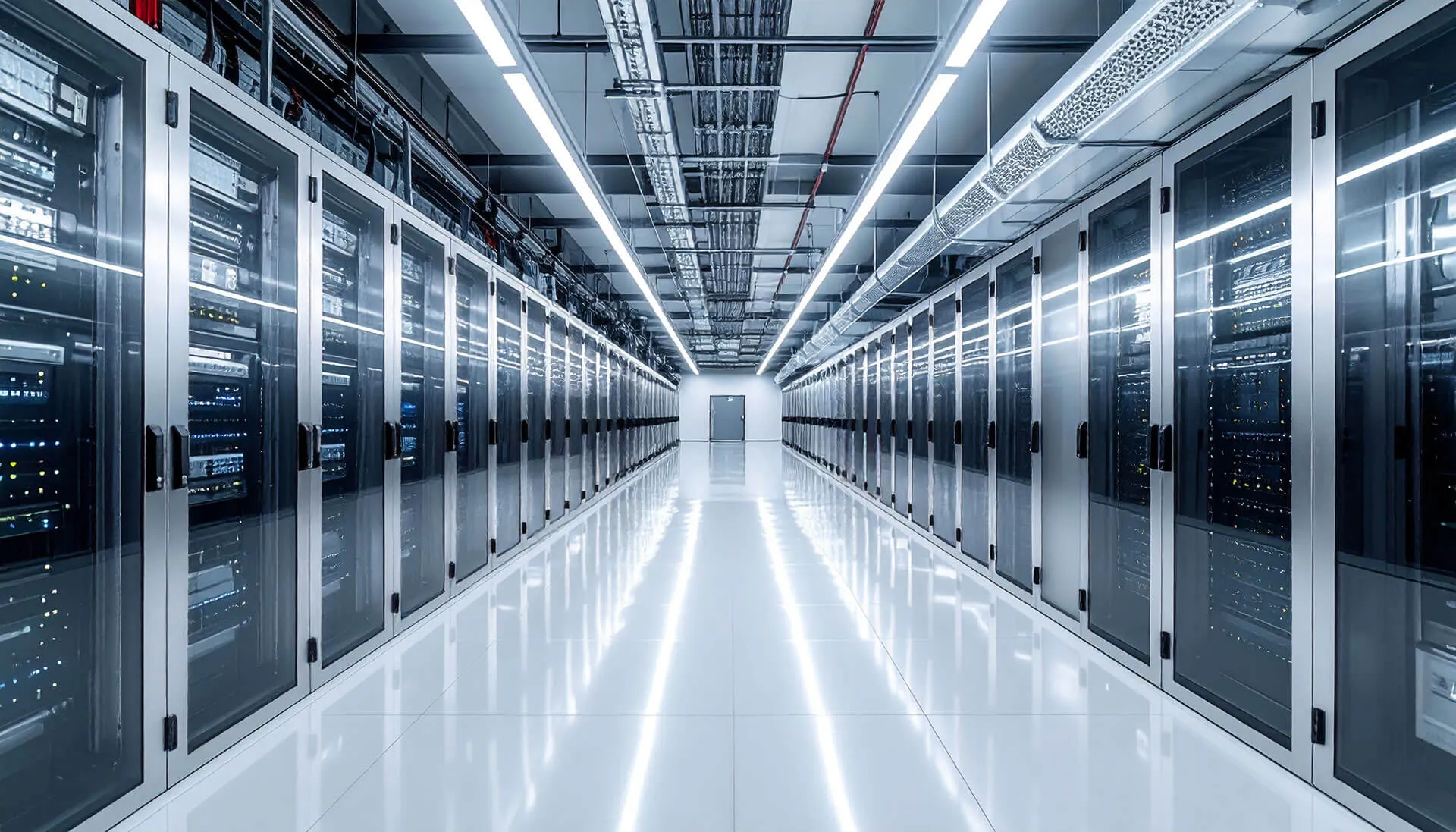
AI models require compute, and data centers require storage. Because global AI capacity buildout has multiplied that demand in a short window, storage prices are rising. Not because supply collapsed, but because demand has structurally shifted. Component constraints are back, not pandemic-driven this time, but AI-driven. The manufacturer responses — price adjustments, revised promotion terms, changed partner contract conditions — are already registering strongly with channel audiences. Hardware economics count again.
The Channel Census shows the direct consequence: partners with data center competency and AI expertise rank among the strongest-growing profiles. And recurring revenue has now crossed the halfway mark across all major partner profiles. The MSP operating model is no longer a niche for specialist providers; it’s the direction the channel is moving.
Not selling AI — Making AI possible
The Channel Census conclusion is unambiguous: the winners of the next 18 months will not be those who sell the most AI, but those best positioned to translate AI ambitions into operational reality.
Not portfolio depth, but operational discipline and reliability decide. Customers who take their AI agenda seriously aren’t looking for a product supplier. They’re looking for a partner they can trust for the next several years, one who understands their business model, can assess risks, and directs investments where they will bring real value. IT service providers who treat security as a governance question, possess infrastructure expertise, and integrate business process consulting into an IT operating model. These profiles earn the trust customers need for their AI ambitions, and that the market is currently reevaluating.
A look behind AI
That is precisely where the interesting use cases lie. IT service providers should therefore focus less on agents and more on their customers’ business and decision-making processes. Those who achieve concrete improvements in these areas will automatically stand out from the general AI hype.